Blagovest Institute of Ministry, which recently announced enrollment for three academic programs, is grateful to the Lord to report encouraging enrollment results and the successful launch of its first academic sessions.
Associate of Arts in Theological and Biblical Studies
Spring of Life Church, Mukilteo, WA
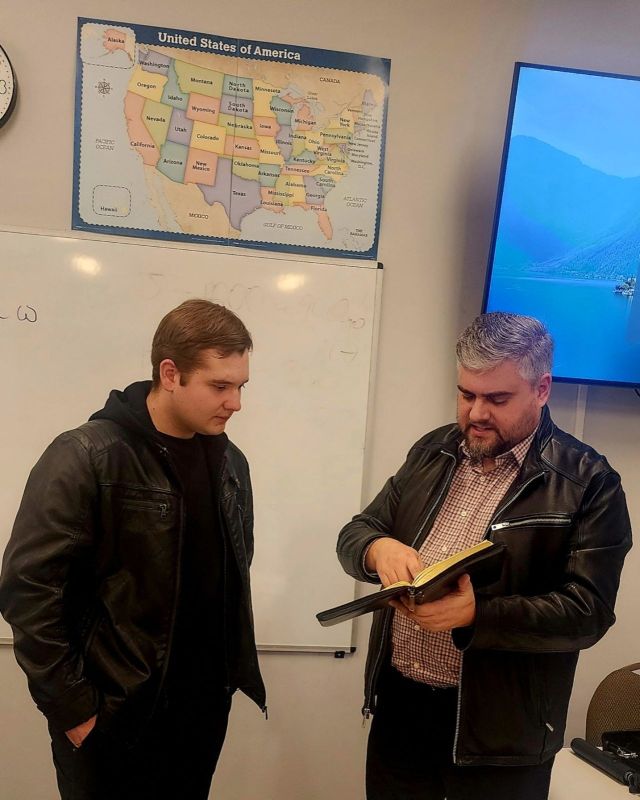
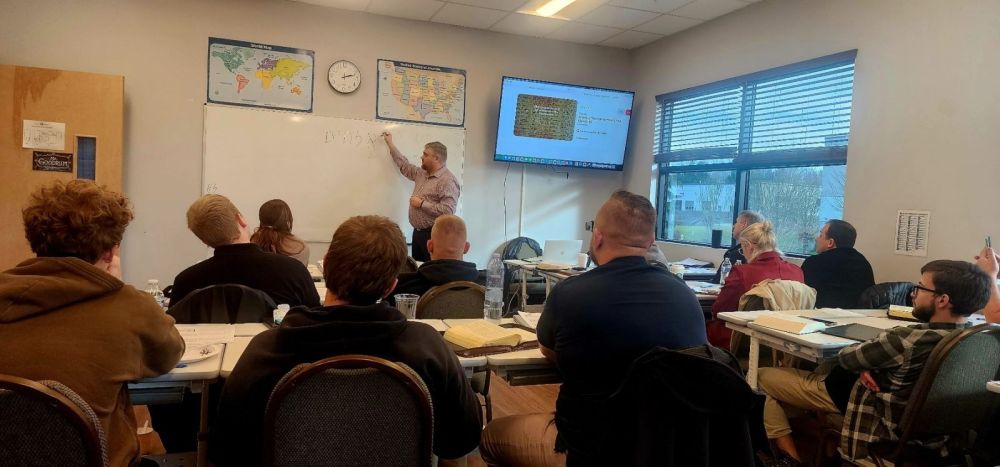
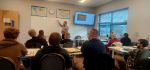
The Associate of Arts program welcomed 25 students. The first academic session took place on January 30–31, 2026. The opening course, “Introduction to Theology I,” was taught by the Institute’s Director, Sergiy Pronin. During this session, students explored foundational doctrinal themes, including: the nature and task of theology, the doctrine of Scripture, and the doctrine of God. From the very beginning, students were engaged in systematic theological reflection, doctrinal discussion, and the development of sound theological thinking.
Bachelor of Ministry
Second Slavic Baptist Church of Sacramento, CA
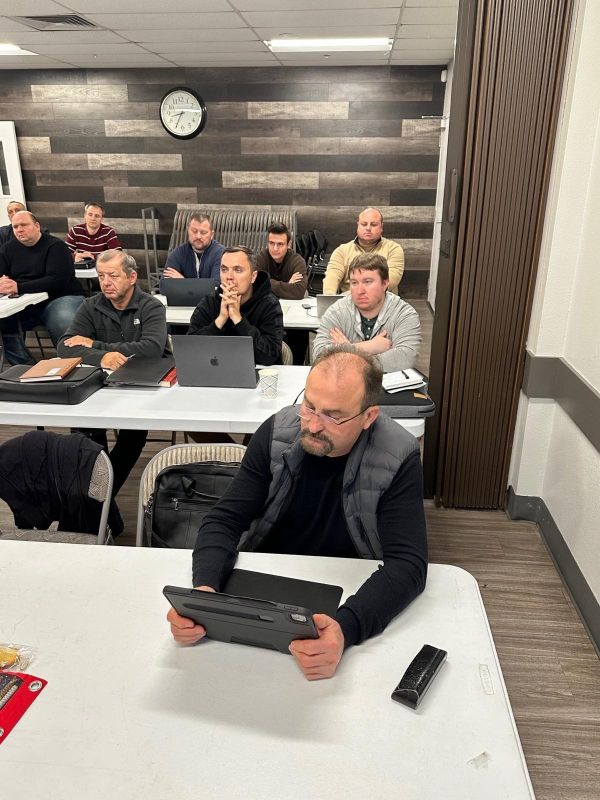
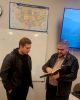
The Bachelor of Ministry program enrolled 10 students. Its first session was held on February 13–14, 2026. The initial course, “Survey of the Gospel of Matthew,” was taught by Alexander Gunko. The class examined the historical background, literary structure, theological emphases, and Messianic focus of the First Gospel.
Master of Divinity
Second Slavic Baptist Church of Sacramento, CA
The Master of Divinity program enrolled 20 students, with the first session also conducted on February 13–14, 2026. The opening course, “Church History and Theology I,” was taught by Sergey Viktorovich Sannikov. Students began studying the development of Christian doctrine, the formation of church traditions, and key theological debates of the early Church.
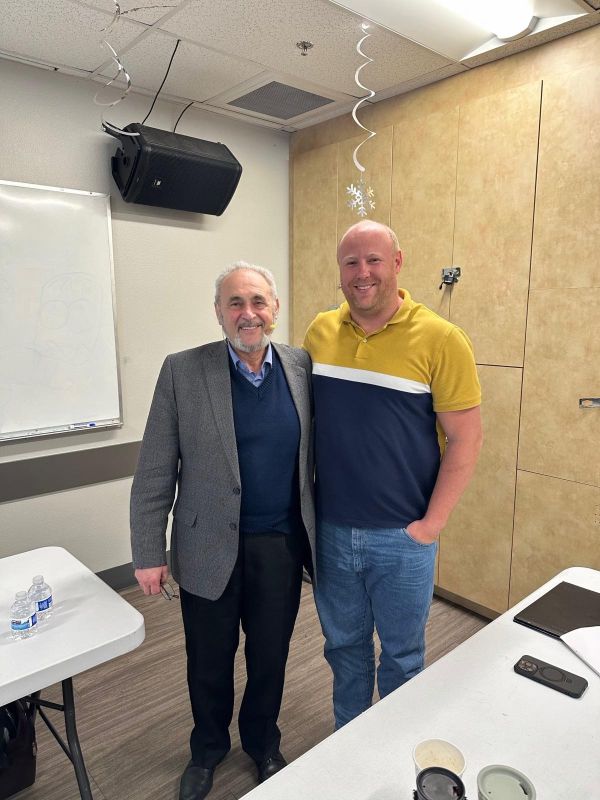
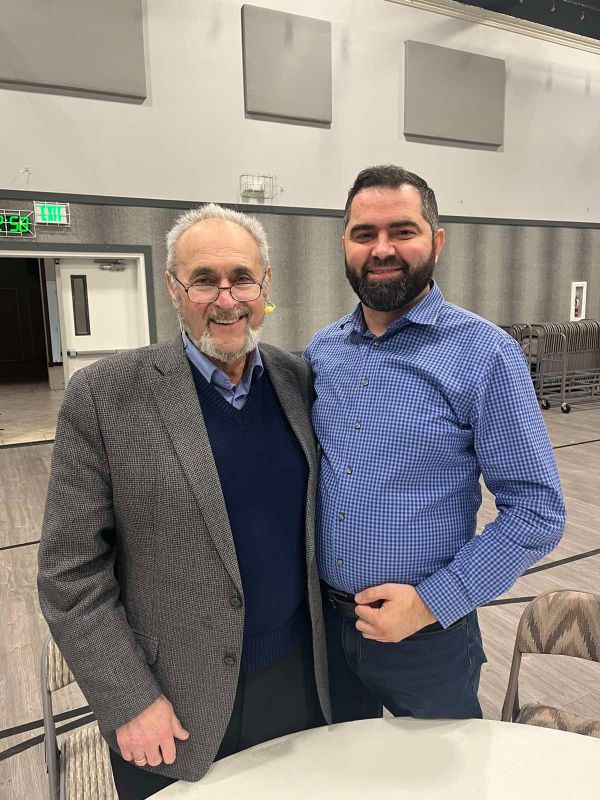
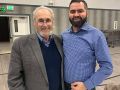
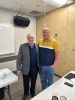
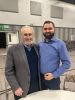
On February 13–14, 2026, an academic session was also conducted at the First Slavic Evangelical Baptist Church as part of the Associate of Arts in Theological and Biblical Studies program. The course, Introduction to the Old Testament I, was taught by Vadim Yurchak. The class explored the formation of the Old Testament canon, its historical and cultural context, the major theological themes of the Pentateuch, and foundational principles for interpreting the ancient biblical text. It is especially meaningful to note that both Sergiy Pronin and Alexander Gunko were, at different times, students of Sergey Viktorovich Sannikov. Today, we witness a living continuity of generations: a teacher continues shaping ministers, while his former students now teach and mentor a new generation of church leaders.
We thank the Lord for the students’ response, for the partnership of local churches, and for the opportunity to develop theological education within the Pacific Coast Slavic Baptist Association.
May the Lord bless this new beginning, strengthen both faculty and students, and use this training for the edification of the Church and the advancement of the Gospel.
Sergiy Pronin